Nourishing Our Communities: Two Innovative Food Programs at Mercy Hospital
 Research shows that a balanced diet can have a direct impact on health outcomes. In some cases, food is medicine. At Mercy Hospital in Durango, Colorado, two innovative programs are making healthy food more accessible to the community: Fresh to Flourish and Roots of Health.
Because we’re committed to caring for the whole person, beyond the walls of the hospital—both programs are funded, in large part, by the generous contributions of CommonSpirit Health Foundation donors.
Fresh to Flourish Produce Prescription Program
Across four Mercy Hospital family medicine clinics, the Fresh to Flourish program provides cash vouchers to eligible patients.
The $250 annual voucher can be used to buy fresh produce at participating grocery stores and farmer’s markets. Since the program first launched in 2022, hundreds of participants have benefitted, reporting outcomes like trying new foods that they couldn’t afford before.
The Fresh to Flourish program creatively addresses food security challenges in Southwestern Colorado, while also supporting local farmers and businesses. This work is/was supported by the USDA National Institute of Food and Agriculture. It’s a powerful expression of our mission to improve the health of the people we serve, especially those who are vulnerable.
Roots of Health
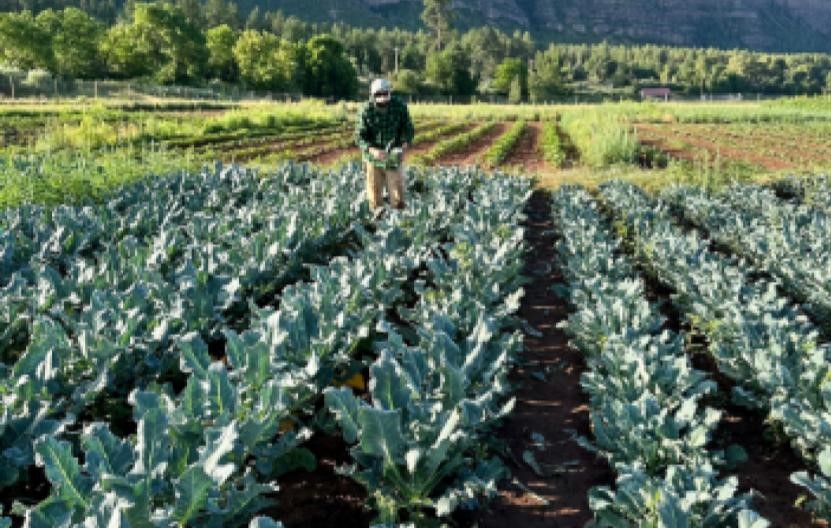
Founded in 2020, the Roots of Health program is a Community Supported Agriculture (CSA) program with an important twist: participants pay equitably based on a sliding scale. Every participant receives the same box, but pays what they can afford (separately from pick up to ensure privacy), so that the program is accessible to all Mercy team members.
I really felt taken care of, like someone actually really cared about me and my health.
— Roots of Health participant
For the program’s administrators at the Good Food Collective, the goal has always been simple: nourish the people who care for their community. Over the years, it’s grown into so much more —supporting local farmers, strengthening the local economy, and helping healthcare workers gather around their own dinner tables with healthy food grown right at home.
In fact, Lauren Ames, Food Security Director at the Good Food Collective, recently experienced the full impact of the program. After a serious bike crash brought her to the Emergency Department of the Mercy Regional Medical Center, she was met with “kindness, professionalism and thoughtful care” from the very caregivers that she had been supporting. She later reflected:
“As I recovered from my accident, it struck me just how interconnected this all is. The same nurses, doctors, administrators, and facilities staff who facilitated my hospital stay and continue supporting me in recovery are the ones enjoying food grown by our farmers. In turn, their care helps community members like me get back on our feet. It’s a beautiful cycle—healthy food, healthy people, healthy community.”
One of the most rewarding aspects of the program has been the rave reviews it has received from participants. Below are a some of the comments shared via an anonymous survey:
- “The life of those in healthcare continues to be more of a commitment so this program helped us eat healthy food instead of TV dinners."
- "Daycare always tells me how impressed they are with how much my kids like to eat their veggies! That’s so important to me that there are always veggies in our plates at every meal, and I couldn’t make that happen if it wasn’t for programs like this."
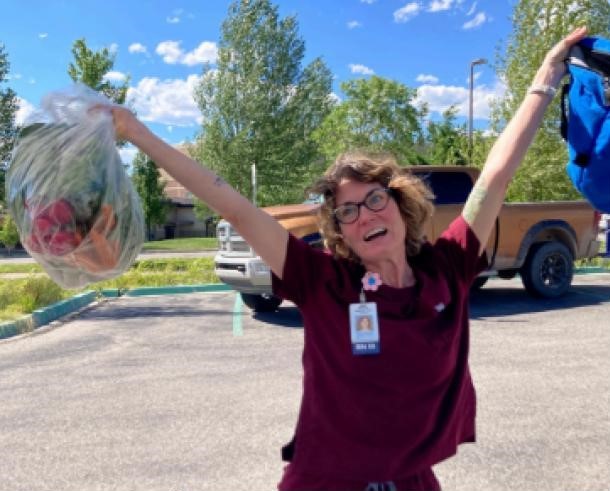
- "I really felt taken care of, like someone actually really cared about me and my health"
- “I eat WAY more vegetables all summer long! My kid has learned to taste the difference between store veggies and farm veggies, which is giving him an appreciation for our local growers. Mercy has made it affordable for us to eat this way!”
- “I feel more connected to the community and appreciated by Mercy.”
If you’re interested in supporting patients and caregivers by addressing factors like healthy food, good housing, and safe transportation, learn more about our Healthier Communities Fund.
###
More stories